FDIC Must Not Enable Banking Institutions to Make Pay Day Loans, says Coalition Letter
 March 31st, 2021
  Posted in
 As seat of FDIC considers policy, broad coalition urges regulators and banking institutions in order to avoid toxic loans that trap customers with debt
WASHINGTON, D.C. ??“ the relative mind associated with Federal Deposit Insurance Corporation (FDIC), Jelena McWilliams, is ???reviewing whether or not to rescind instructions for ???deposit advance??™ loans,??? according to a job interview she had aided by the Wall Street Journal. ???Deposit advance??? is really a euphemism for bank pay day loans, which ??“ ahead of the FDIC??™s 2013 guidance ??“ had triple-digit interest levels, lacked an ability-to-repay standard, and trapped consumers with debt. The agency??™s guidance advising ability-to-repay 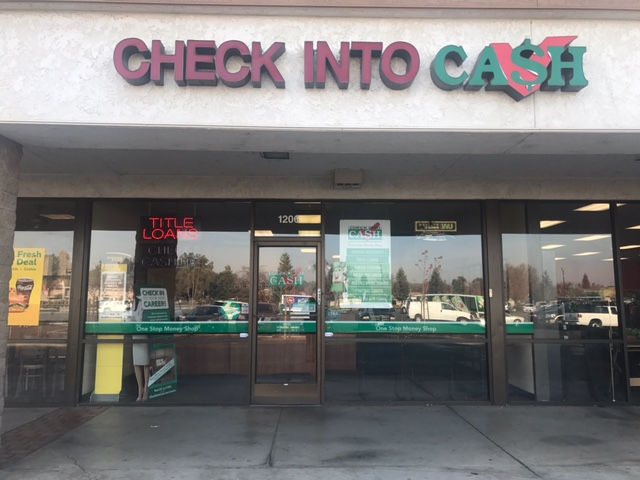 determinations on such loans for this reason, consumer, civil rights, faith, and community groups are urging the FDIC Chair to keep in place. A duplicate associated with the page is roofed at linked and bottom right right right here.
Center for accountable Lending (CRL) Senior Policy Counsel Rebecca Born?© stated, ???Bank payday loans offer a mirage of respectability, however in reality, these are generally monetary quicksand. The FDIC includes a responsibility to guard customers from being taken into these financial obligation traps also to protect banking institutions from the battle towards the base.???
The page states, in component, that the ???data on bank pay day loans made indisputably clear which they resulted in the exact same period of financial obligation as payday advances created by non-bank lenders??¦. They drained roughly half a billion bucks from bank clients yearly. This price will not range from the serious wider harm that the pay day loan debt trap has been confirmed resulting in, including overdraft and non-sufficient funds charges, increased trouble paying mortgages, lease, as well as other bills, loss in checking reports, and bankruptcy??¦. Payday lending by banking institutions had been met by intense opposition from just about any sphere ??“ the army community, community businesses, civil liberties leaders, faith leaders, socially accountable investors, state legislators, and people in Congress.???
The coalition??™s page also calls for the FDIC to make sure tiny buck installment loans are capped at 36% or less also to avoid bank partnerships that evade state interest limitations.
Additional Background
The information on bank payday advances are clear: they certainly were damaging to customers also to banks??™ reputations and security and soundness. Deposit advance borrowers had been seven times almost certainly going to have their reports charged down than their counterparts whom would not just simply simply take deposit advance loans. Furthermore, these loans didn’t ???protect??? bank clients from overdraft costs: previous borrowers, when compared with non-borrowers, failed to incur a rise in overdraft or NSF charges when deposit advance had been discontinued.
This page could be the latest in a few warnings from a broad coalition worried about high-cost loans from banks. In of 2017 after the OCC rescinded its guidance on bank payday loans, groups wrote to banks urging them to stay away from this usury october. In-may, teams penned to regulators urging them to help keep or reinstate guidance steering clear of the reemergence of bank payday advances, after which forwarded this page to banking institutions warning them regarding the reputational threat of bank pay day loans.
Comprehensive text of this page, including signatories and endnotes:
The OCC additionally noted that banking institutions should provide more short-term credit because banks tend to be more regulated than non-bank loan providers and therefore can perform therefore at less danger towards the customer. The Treasury Department indicated similar idea in its fintech paper month that is last. But once again, the information on bank payday advances left no question that bank pay day loans had been just like those produced by non-bank lenders??”high-cost, unaffordable, debt-traps. ii
Comments are closed.